




















World Heritage Sites
designated by
UNESCO
the World Heritage Committee has inscribed 890 properties on the World Heritage List
The following are some I have visited:

Panda at Wolong, China
Sichuan Giant Panda Sanctuaries, home to more than 30% of the world's highly endangered pandas, covers 924,500 ha with seven nature reserves and nine scenic parks in the Qionglai and Jiajin Mountains. The sanctuaries constitute the largest remaining contiguous habitat of the giant panda, a relict from the paleo-tropic forests of the Tertiary Era. It is also the species' most important site for captive breeding. The sanctuaries are home to other globally endangered animals such as the red panda, the snow leopard and clouded leopard. They are among the botanically richest sites of any region in the world, outside the tropical rain forests, with between 5,000 and 6,000 species of flora in over 1,000 genera.
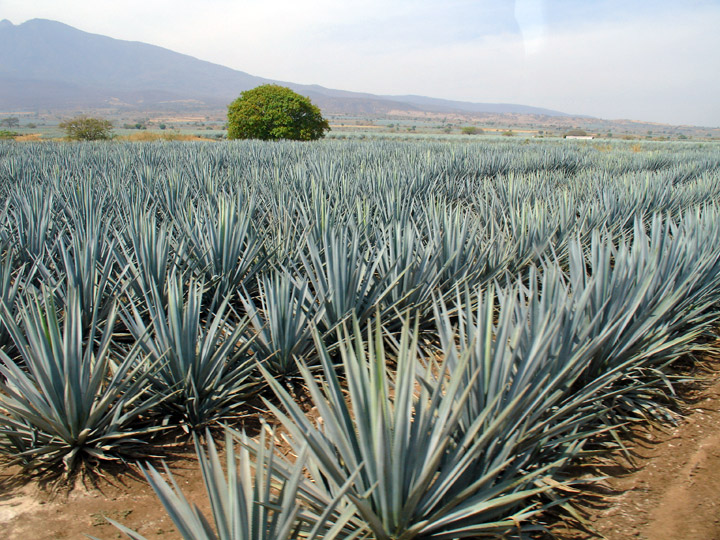
fields of Agave
A 34,658 ha site, between the
foothills of the Tequila Volcano and the deep valley of the Rio Grande River, is
part of an expansive landscape of blue agave, shaped by the culture of the plant
which has been used since the 16th century to produce tequila spirit and over at
least 2,000 years to make fermented drinks and cloth. Within the landscape are
working distilleries reflecting the growth in the international consumption of
tequila in the 19th and 20th centuries. Today, the agave culture is seen as part
of national identity. The area encloses a living, working landscape of blue
agave fields and the urban settlements of Tequila, Arenal, and Amatitan with
large distilleries where the agave ‘pineapple' is fermented and distilled. The
listed property includes fields, distilleries and factories (both active and
not), tabernas (distilleries that were illegal under Spanish rule), towns and
Teuchitlan archaeological sites. The property numbers numerous haciendas, or
estates, some of which date back to the 18th century. The architecture of both
factories and haciendas is characterized by brick and adobe construction,
plastered walls with ochre lime-wash, stone arches, quoins and window dressings,
and formal, neo-classical or baroque ornamentation. It reflects both the fusion
of pre-Hispanic traditions of fermenting mescal juice with the European
distillation processes and of local technologies and those imported from Europe
and the U.S.A. The property also covers archaeological sites which bear
testimony to the Teuchitlan culture which shaped the Tequila area from 200 to
900 A.D., notably through the creation of terraces for agriculture, housing,
temples, ceremonial mounds and ball courts.
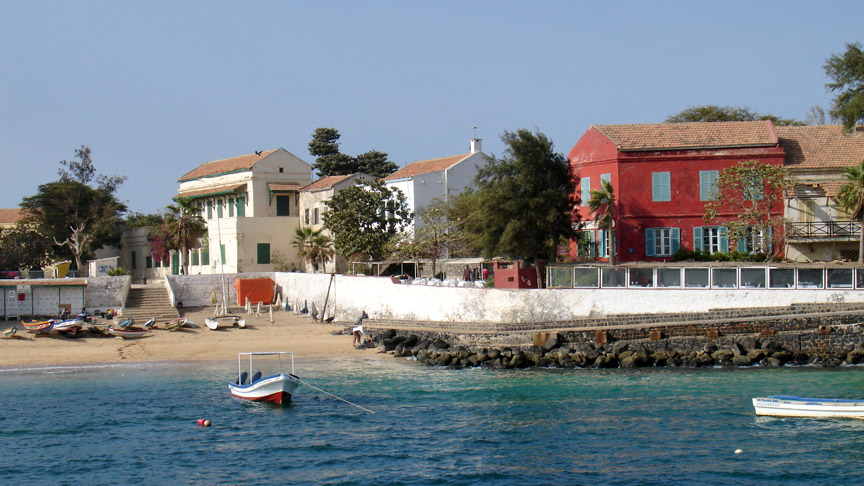
Gorée Island
The island of Gorée lies off the coast of Senegal, opposite Dakar. From the 15th to the 19th century, it was the largest slave-trading centre on the African coast. Ruled in succession by the Portuguese, Dutch, English and French, its architecture is characterized by the contrast between the grim slave-quarters and the elegant houses of the slave traders. Today it continues to serve as a reminder of human exploitation and as a sanctuary for reconciliation.
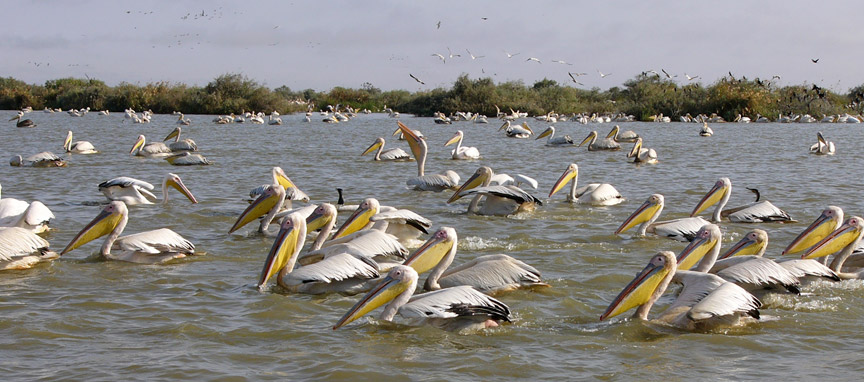
White Pelicans
Situated in the Senegal river delta,
the Djoudj Sanctuary is a wetland of 16,000 ha, comprising a large lake
surrounded by streams, ponds and backwaters. It forms a living but fragile
sanctuary for some 1.5 million birds, such as the white pelican, the purple
heron, the African spoonbill, the great egret and the cormorant.
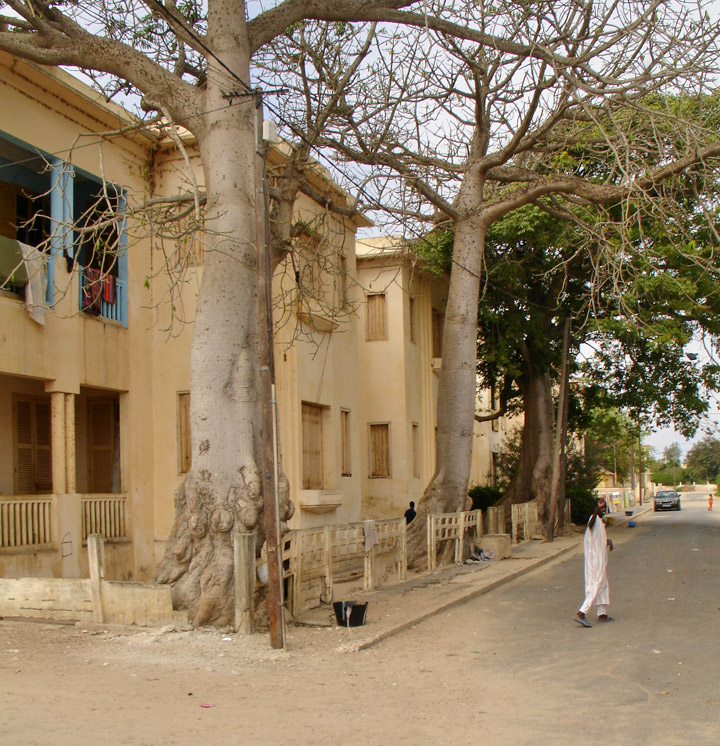
Saint-Louis
Founded as a French colonial
settlement in the 17th century, Saint-Louis was urbanized in the mid-19th
century. It was the capital of Senegal from 1872 to 1957 and played an important
cultural and economic role in the whole of West Africa. The location of the town
on an island at the mouth of the Senegal River, its regular town plan, the
system of quays, and the characteristic colonial architecture give Saint-Louis
its distinctive appearance and identity.
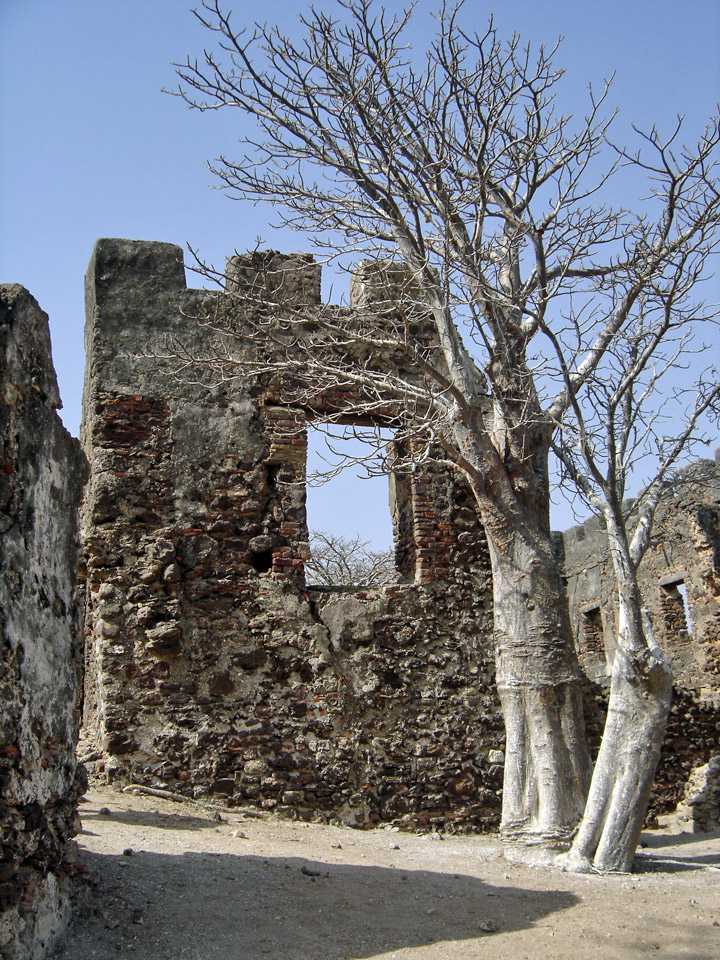
James Island
James Island and Related Sites present a testimony to the main periods and facets of the encounter between Africa and Europe along the River Gambia, a continuum stretching from pre-colonial and pre-slavery times to independence. The site is particularly significant for its relation to the beginning of the slave trade and its abolition. It also documents early access to the interior of Africa.
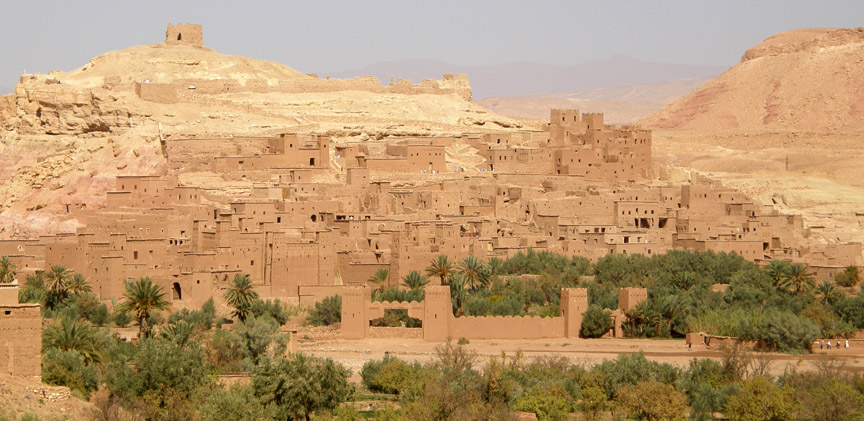
Ksar of Ait-Ben-Haddou
The ksar, a group of earthen buildings surrounded by high walls, is a traditional pre-Saharan habitat. The houses crowd together within the defensive walls, which are reinforced by corner towers. Ait-Ben-Haddou, in Ouarzazate province, is a striking example of the architecture of southern Morocco.
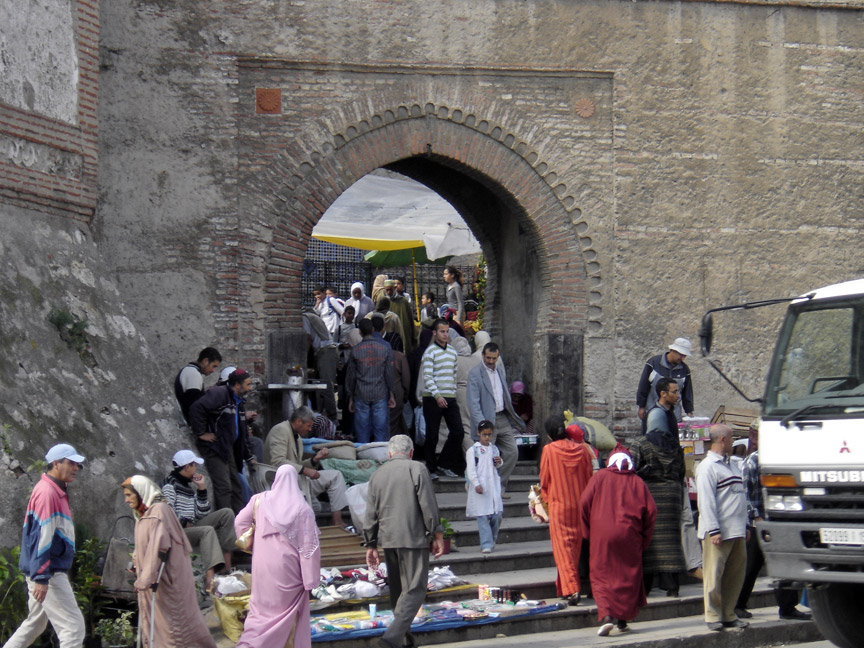
Medina of Tétouan
Tétouan was of particular importance in the Islamic period, from the 8th century onwards, since it served as the main point of contact between Morocco and Andalusia. After the Reconquest, the town was rebuilt by Andalusian refugees who had been expelled by the Spanish. This is well illustrated by its art and architecture, which reveal clear Andalusian influence. Although one of the smallest of the Moroccan medinas, Tétouan is unquestionably the most complete and it has been largely untouched by subsequent outside influences.
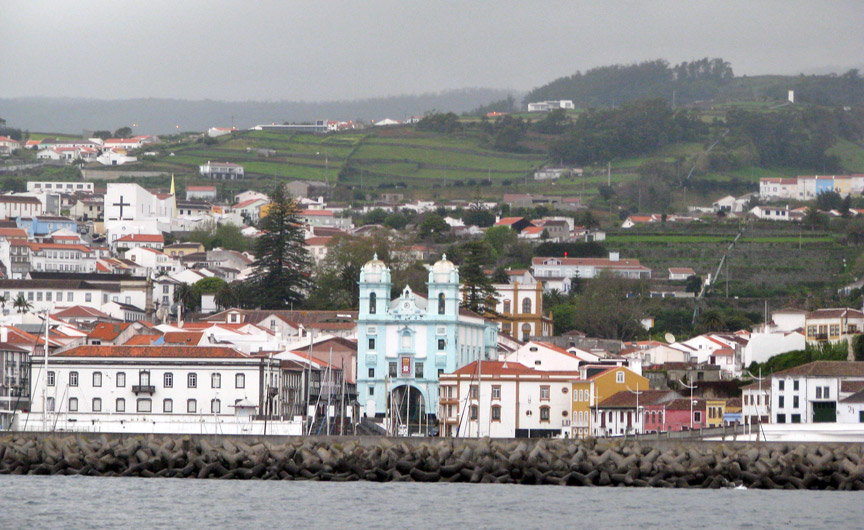
Angra do Heroísmo
Situated on one of the islands in the Azores archipelago, this was an obligatory port of call from the 15th century until the advent of the steamship in the 19th century. The 400-year-old San Sebastião and San João Baptista fortifications are unique examples of military architecture. Damaged by an earthquake in 1980, Angra is now being restored.
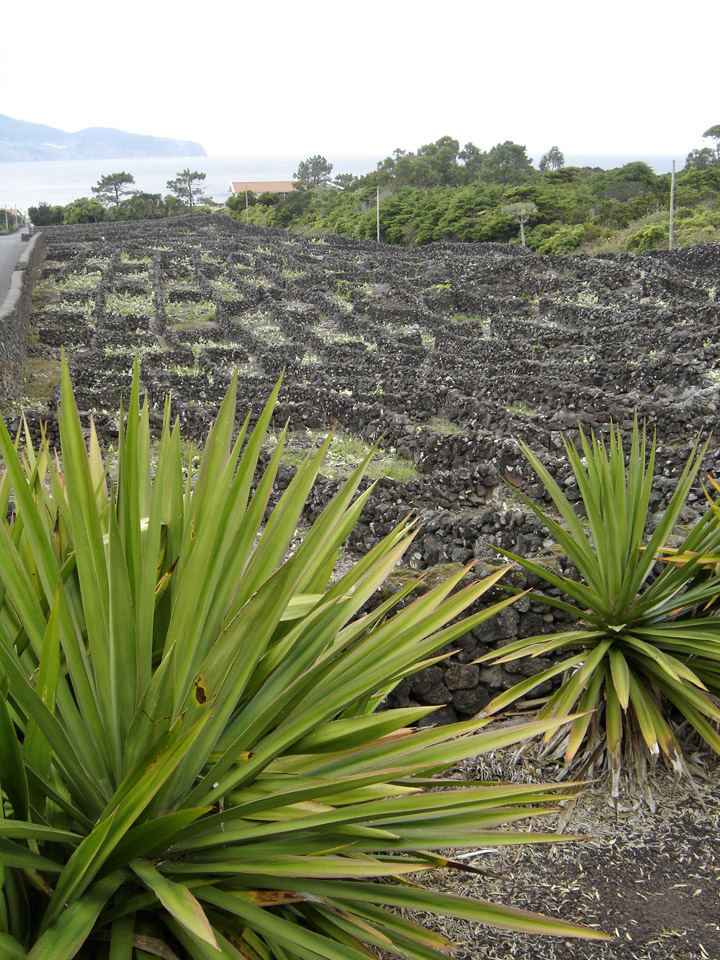
currais
The 987-ha site on the volcanic island of Pico, the second largest in the Azores archipelago, consists of a remarkable pattern of spaced-out, long linear walls running inland from, and parallel to, the rocky shore. The walls were built to protect the thousands of small, contiguous, rectangular plots (currais) from wind and seawater. Evidence of this viniculture, whose origins date back to the 15th century, is manifest in the extraordinary assembly of the fields, in houses and early 19th-century manor houses, in wine-cellars, churches and ports. The extraordinarily beautiful man-made landscape of the site is the best remaining area of a once much more widespread practice.
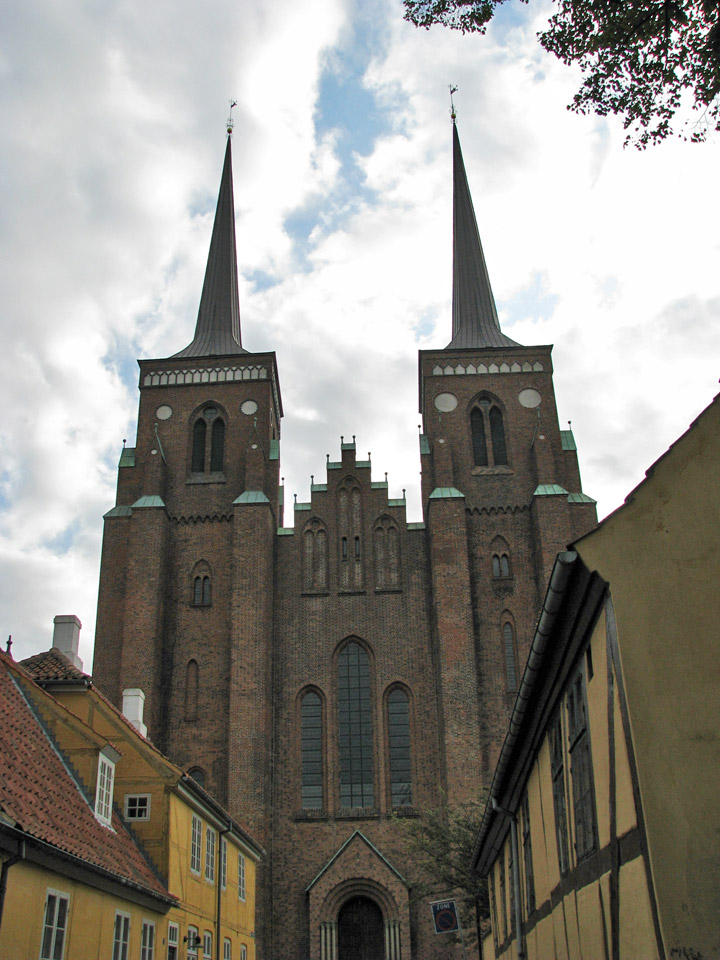
Roskilde Cathedral
Built in the 12th and 13th centuries, this was Scandinavia's first Gothic cathedral to be built of brick and it encouraged the spread of this style throughout northern Europe. It has been the mausoleum of the Danish royal family since the 15th century. Porches and side chapels were added up to the end of the 19th century. Thus it provides a clear overview of the development of European religious architecture.
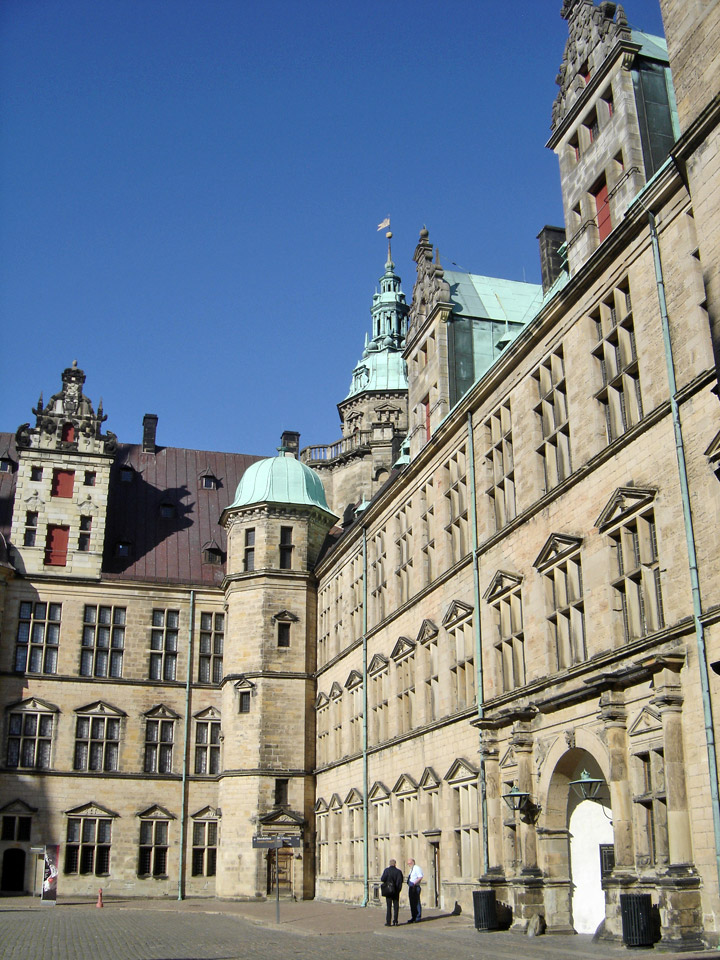
courtyard of Kronborg Castle
Located on a strategically important site commanding the Sund, the stretch of water between Denmark and Sweden, the Royal castle of Kronborg at Helsingør (Elsinore) is of immense symbolic value to the Danish people and played a key role in the history of northern Europe in the 16th-18th centuries. Work began on the construction of this outstanding Renaissance castle in 1574, and its defences were reinforced according to the canons of the period's military architecture in the late 17th century. It has remained intact to the present day. It is world-renowned as Elsinore, the setting of Shakespeare's Hamlet.
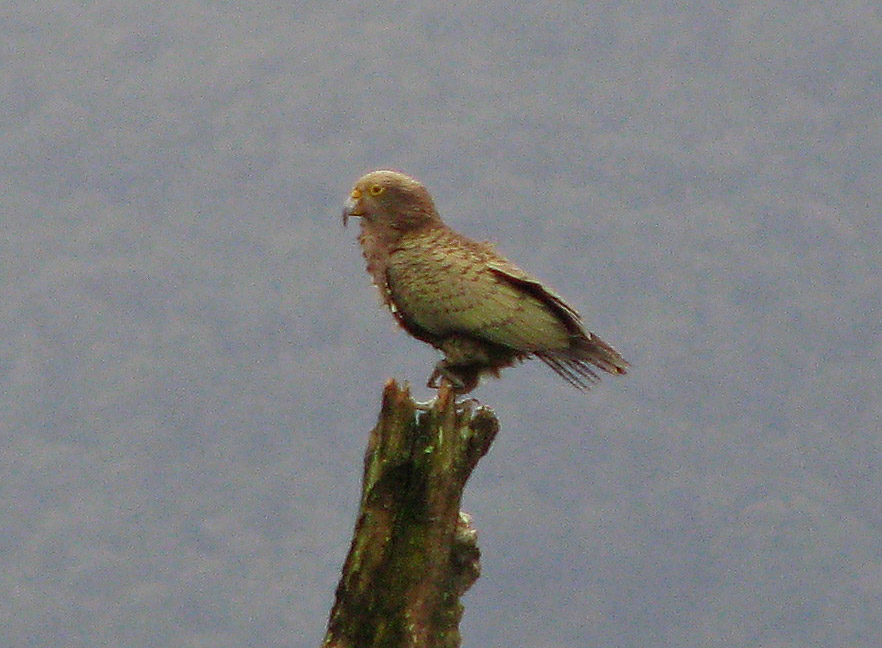
Kea
The landscape in this park, situated
in south-west New Zealand, has been shaped by successive glaciations into
fjords, rocky coasts, towering cliffs, lakes and waterfalls. Two-thirds of the
park is covered with southern beech and podocarps, some of which are over 800
years old. The kea, the only alpine parrot in the world, lives in the park, as
does the rare and endangered takahe, a large flightless bird. The Westland
and Mount Cook National Park and the Fiordland National Park, which were
previously inscribed on the World Heritage List, are part of the "Te Wahipounamu
- South West New Zealand".
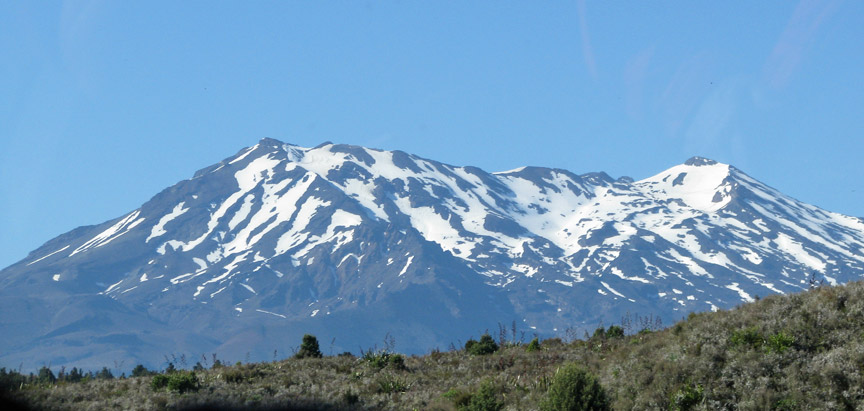
Mt Ruapehu
In 1993 Tongariro became the first property to be inscribed on the World Heritage List under the revised criteria describing cultural landscapes. The mountains at the heart of the park have cultural and religious significance for the Maori people and symbolize the spiritual links between this community and its environment. The park has active and extinct volcanoes, a diverse range of ecosystems and some spectacular landscapes.
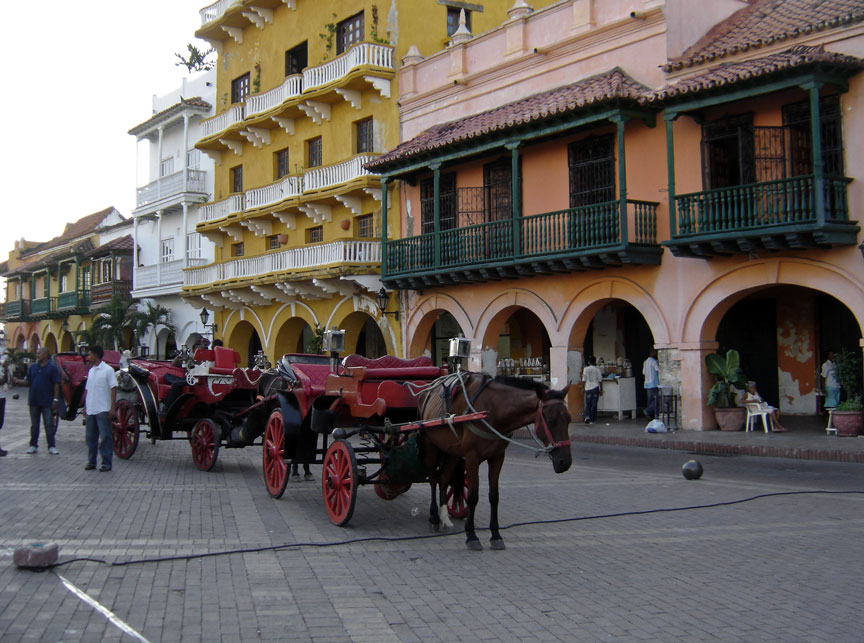
colonial architecture in Cartagena
Situated in a bay in the Caribbean Sea, Cartagena has the most extensive fortifications in South America. A system of zones divides the city into three neighborhoods: San Pedro, with the cathedral and many Andalusian-style palaces; San Diego, where merchants and the middle class lived; and Gethsemani, the 'popular quarter'.
As of 7/1/2010 I have visited and
taken photos of
301 of the 890 World Heritage Sites in 148 countries.