












Byblos
Byblos, ancient city of Phoenicia, on the Mediterranean Sea, near present-day Beirut, Lebanon. Extensive archaeological investigations, begun in 1921, indicate that Byblos is one of the oldest continuously inhabited cities in the world, with remains of civilizations dating from about 5000BC. The city was the principal city of Phoenicia and an important seaport during the 2nd millennium BC, when it exported cedar and other woods to Egypt. The name Byblos, applied by the Greeks to papyrus, which they imported from Byblos, is the source of the word Bible. Gebal was the biblical name for the city; the Book of Ezekiel (see 27:9) mentions the maritime pursuits of its inhabitants. The city of Byblos is now occupied by a Lebanese village called Jubayl.

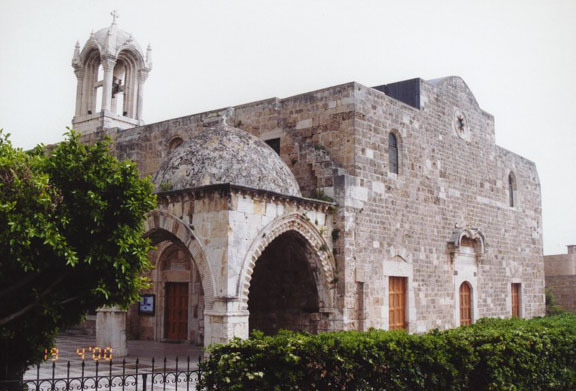
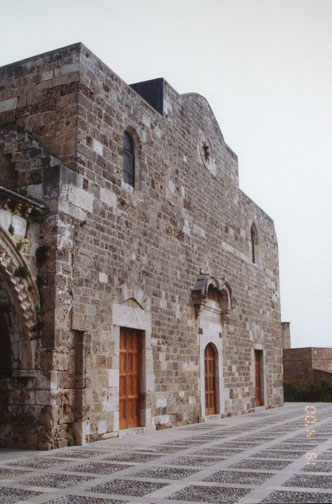
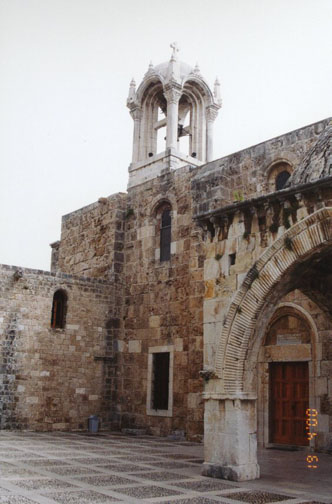
Church of Saint John Marcus
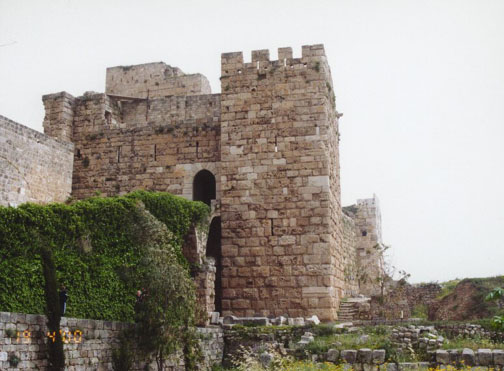
Crusader
castle
(built by the Franks in the 12th century)
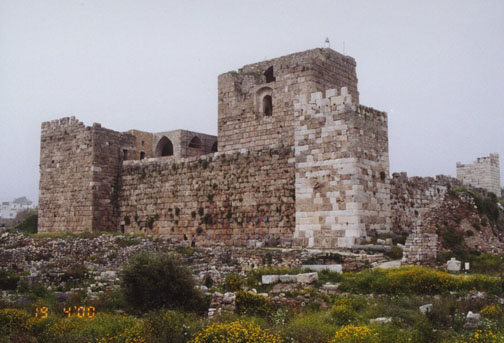
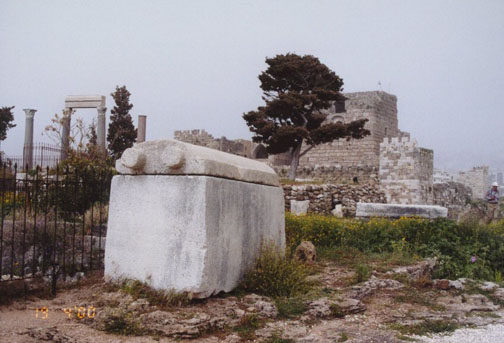
Archaeological Site
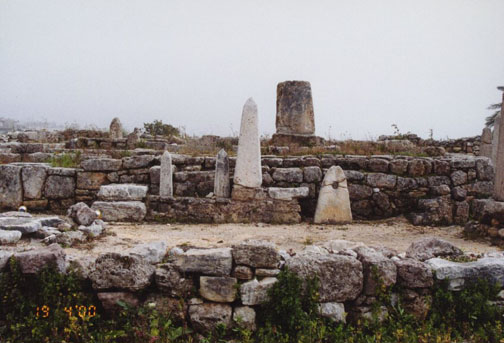
obelisks
from the temple built at the command of
Abichemou, king of Byblos in the 19 century B.C.
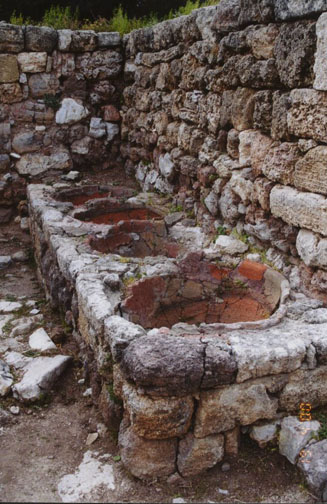
storage containers
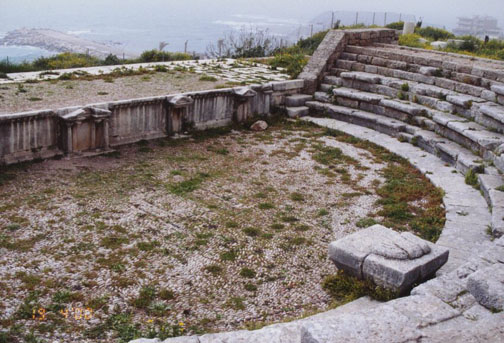
Roman
theatre
(reconstructed in 1/3 of original size)
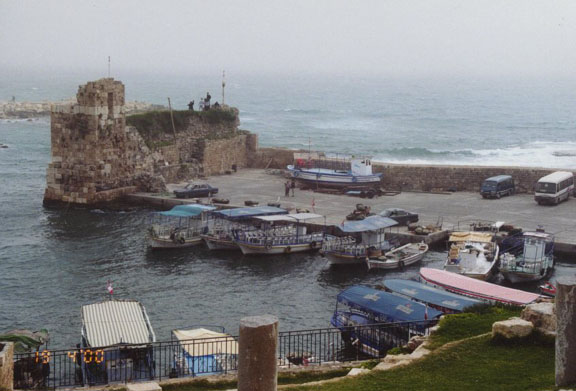
the harbor with its fortified tower