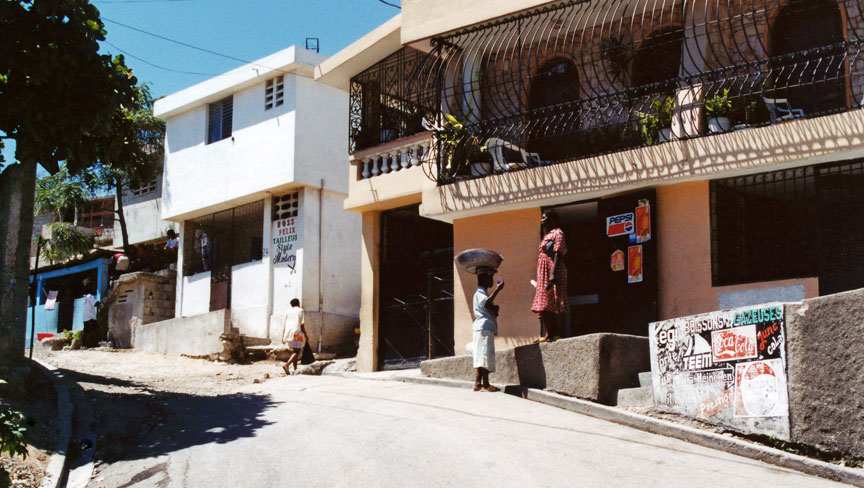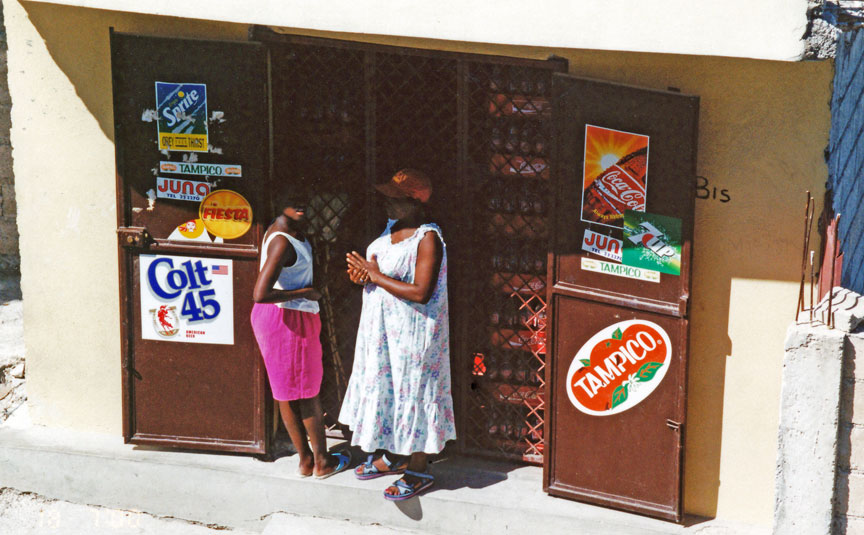






Port au Prince, Haiti
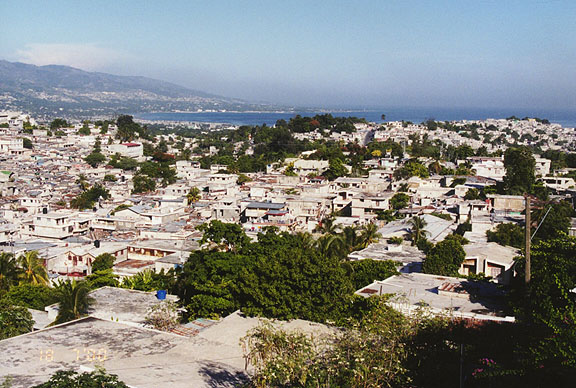
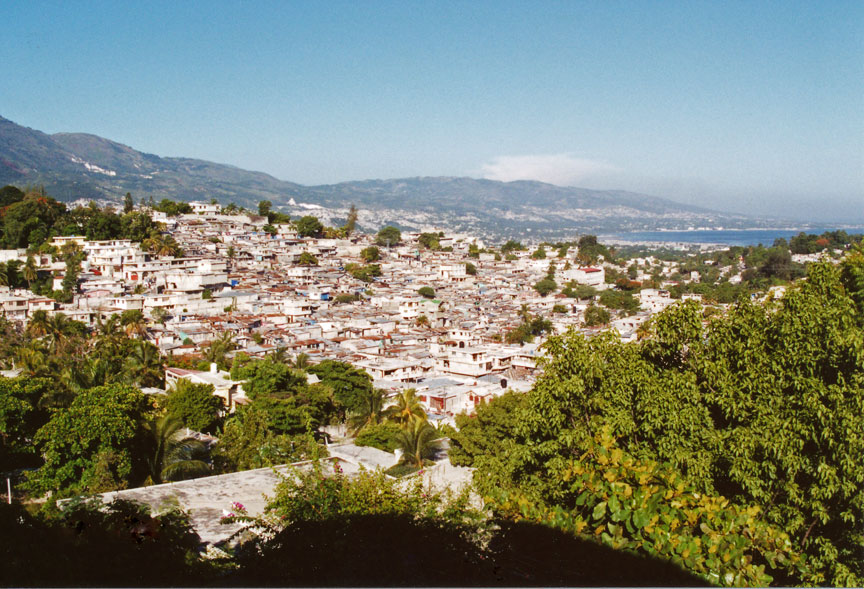
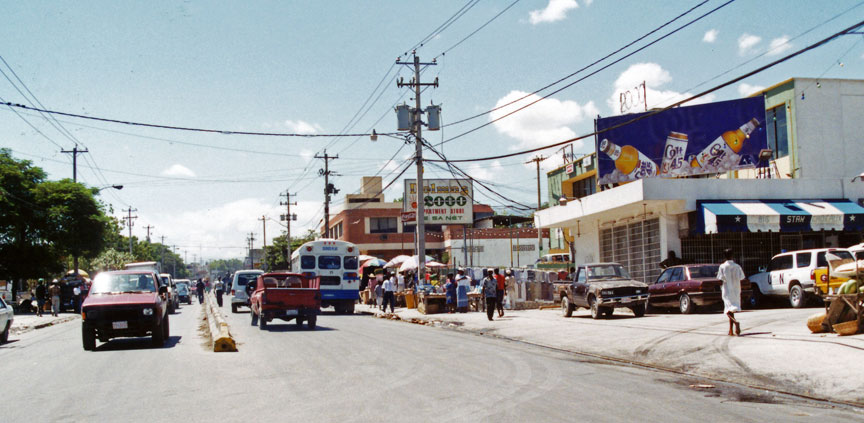
view of Port au Prince
Port-au-Prince, city, central Haiti, capital of the country and of Ouest Department, on the Gonâve Gulf. It is the principal seaport and commercial center of Haiti. Major manufactures include processed food, beverages, tobacco products, textiles, and building materials. Tourism and construction are also important to the city's economy.
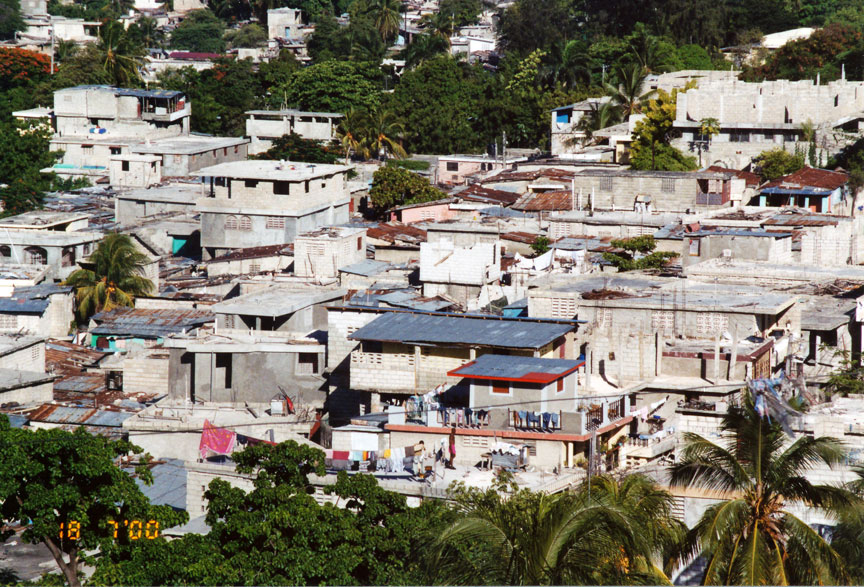
housing as of July 2000
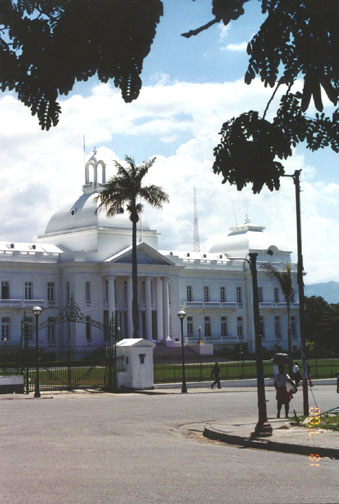
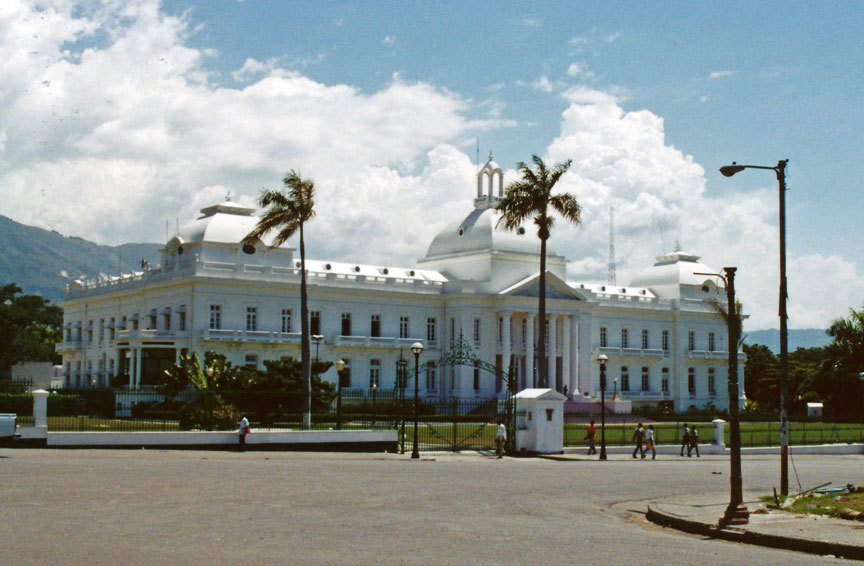
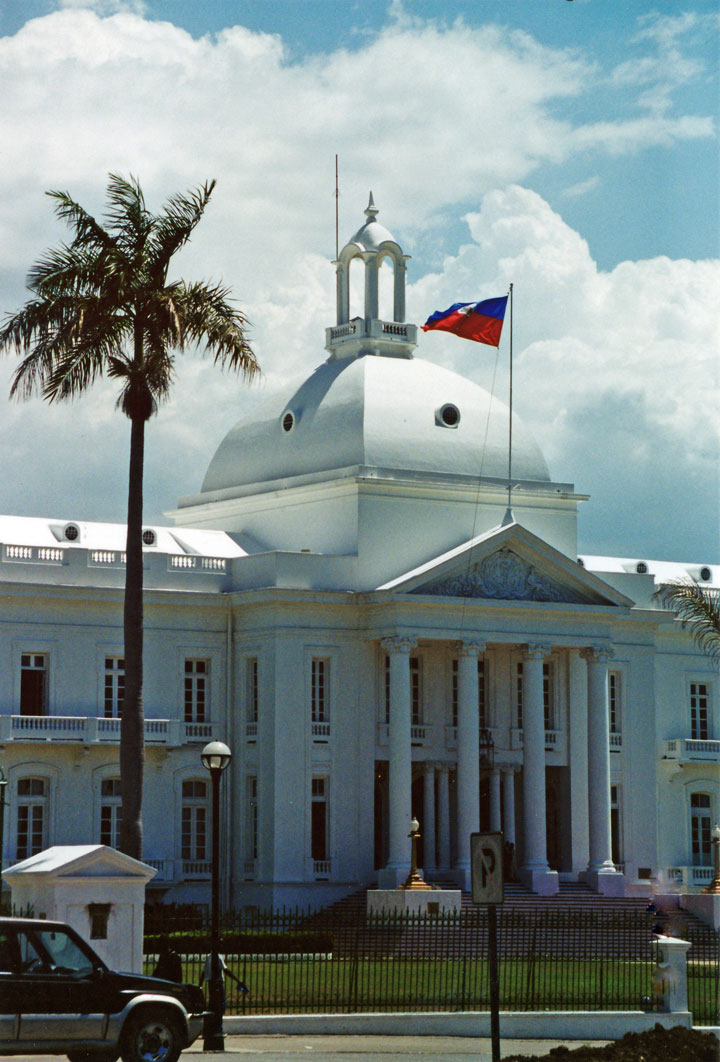
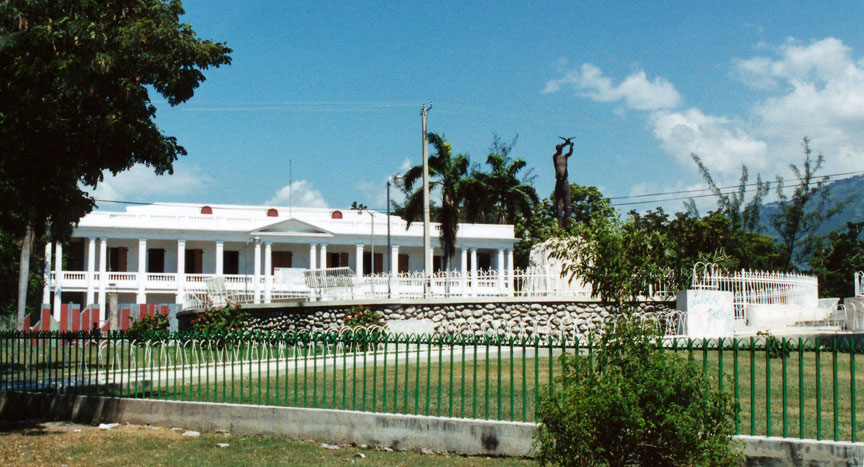
national palace
(destroyed in the earthquake of January 12, 2010)
Port-au-Prince is the site of the State University of Haiti (1920), the National Library, the National Museum, the Archaeological Museum, the Art Center, a technical institute, and a polytechnic college. Other points of interest include the National Palace, the Basilica of Notre Dame, and the French-built stone quay (1780).
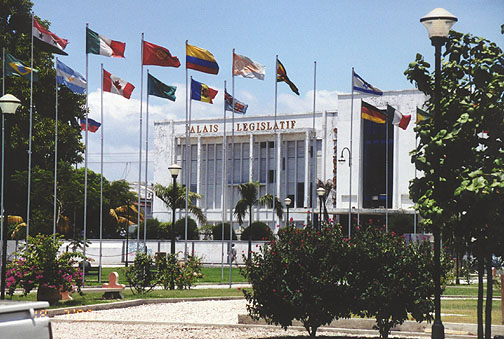
Legislative Palace
military headquarters
The settlement was laid out by the French in 1749 and served as the capital of the French colony of Saint-Domingue from 1770 to 1804. When Haiti became independent in 1804, the city was chosen as the new nation's capital. The community has periodically suffered from earthquakes and from civil unrest.
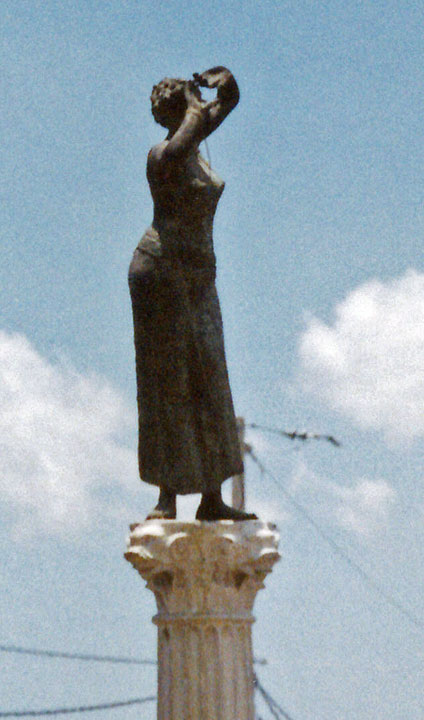
commemorating the 27 people killed two days after Christmas 1993
when twelve hundred homes were destroyed by the military
in Cite Soleil, a slum area.
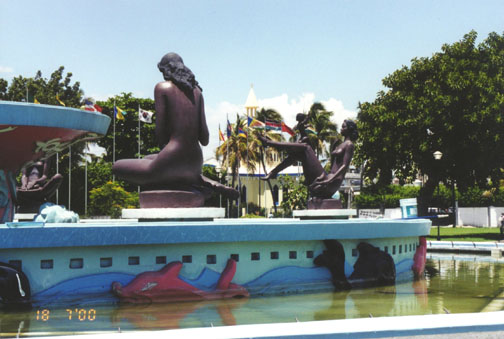
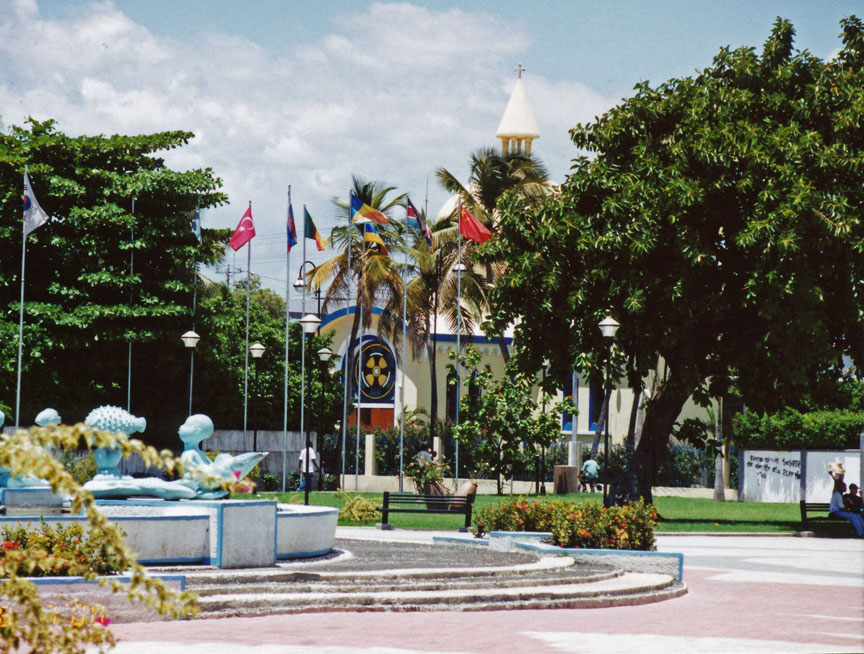
fountain from pre-Duvalier period
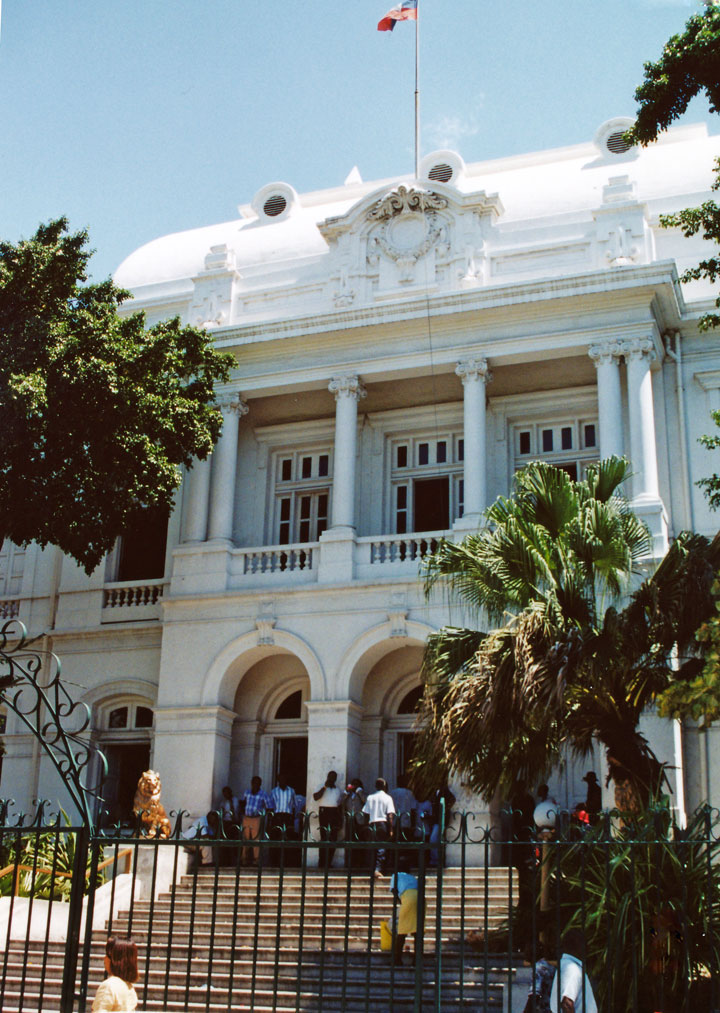
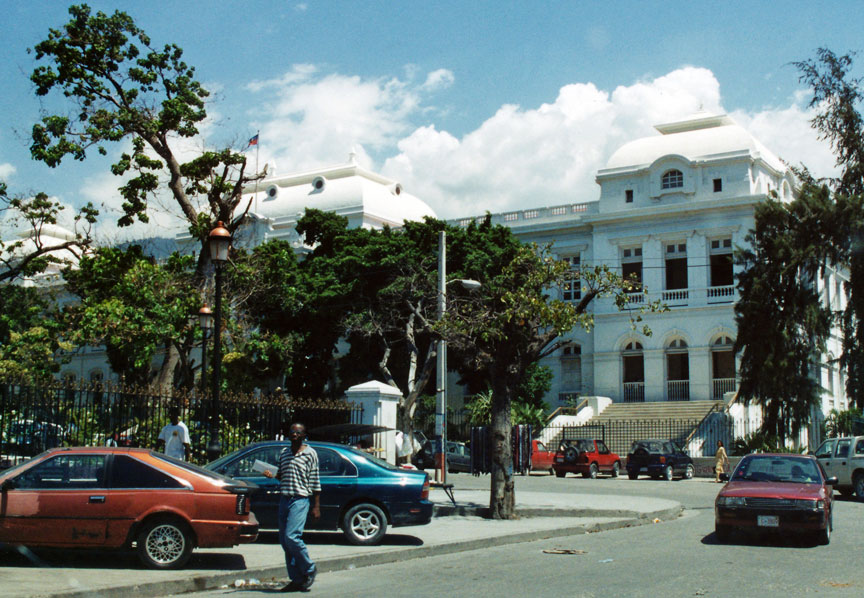
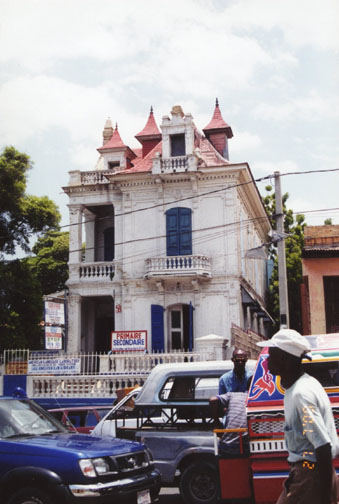
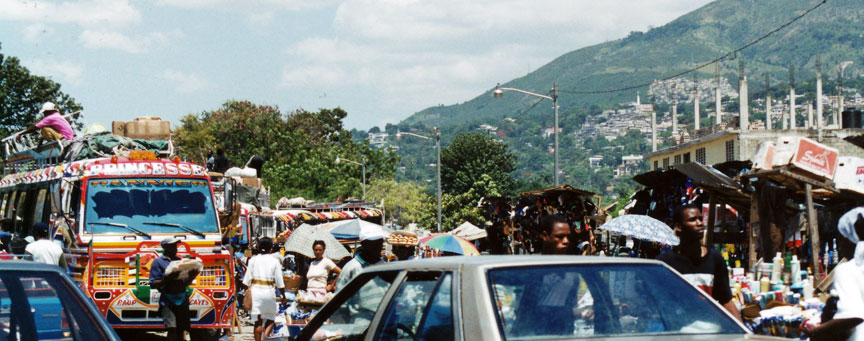
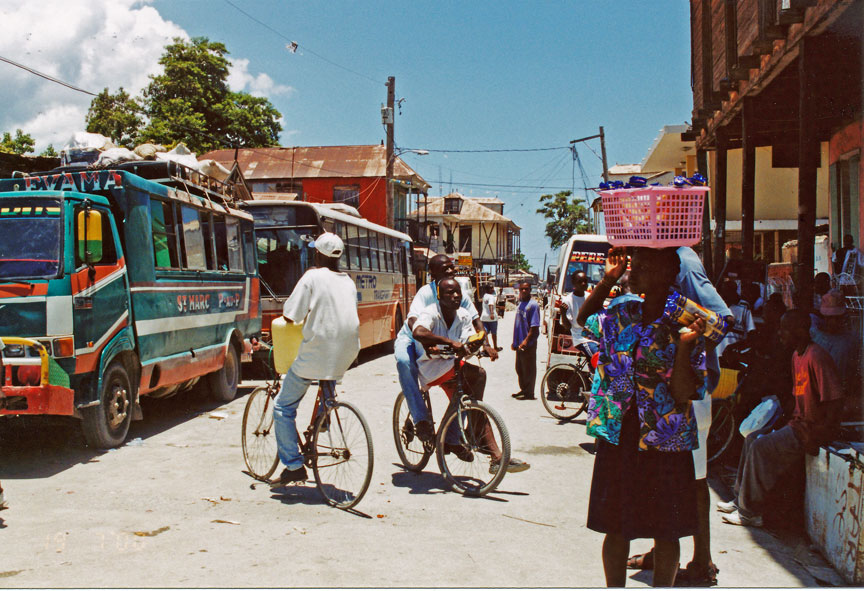
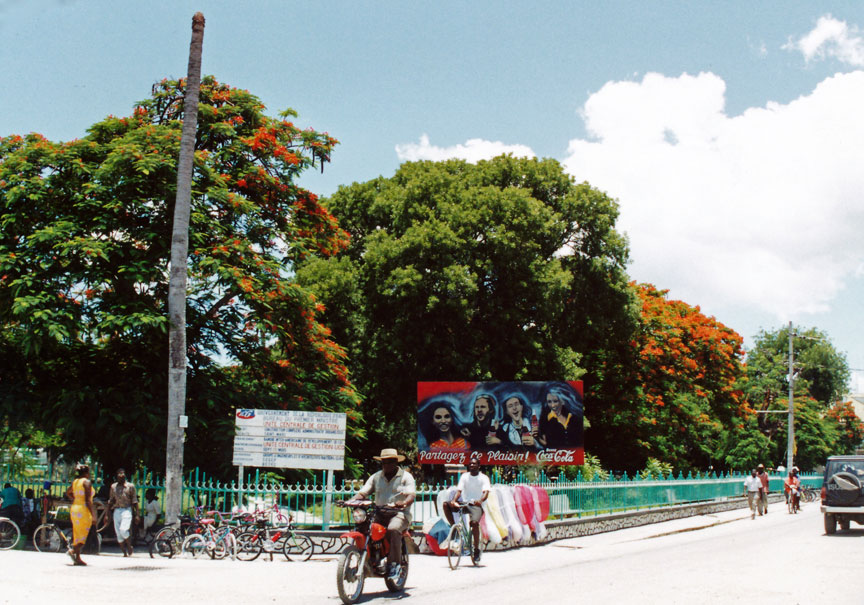
city has older grand buildings on traffic snarled streets
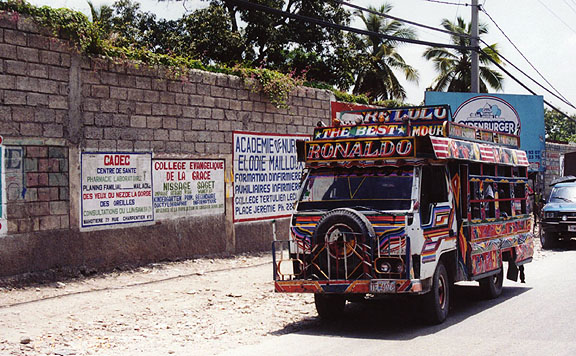
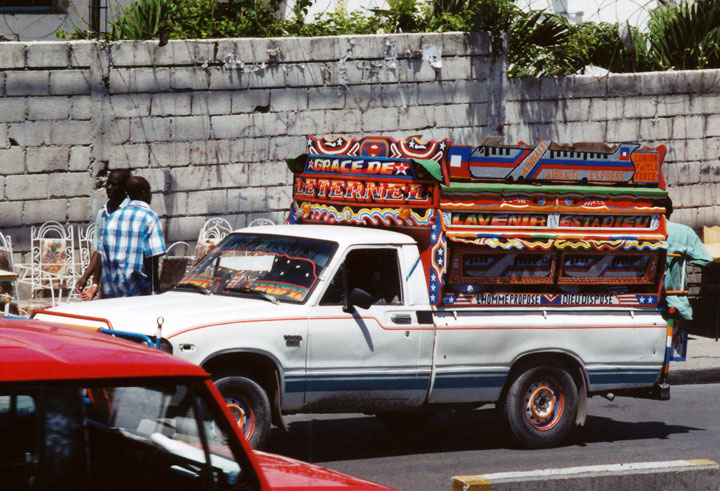
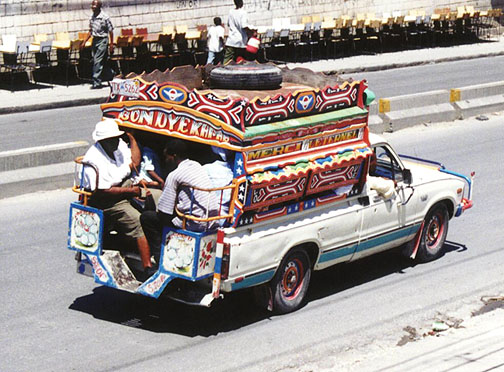
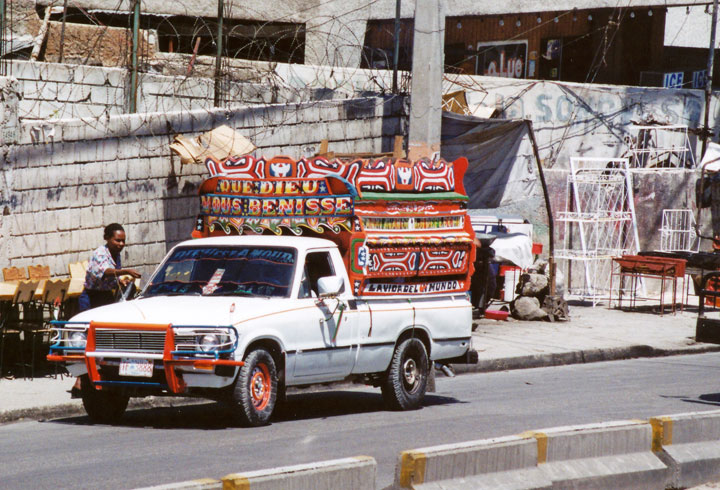
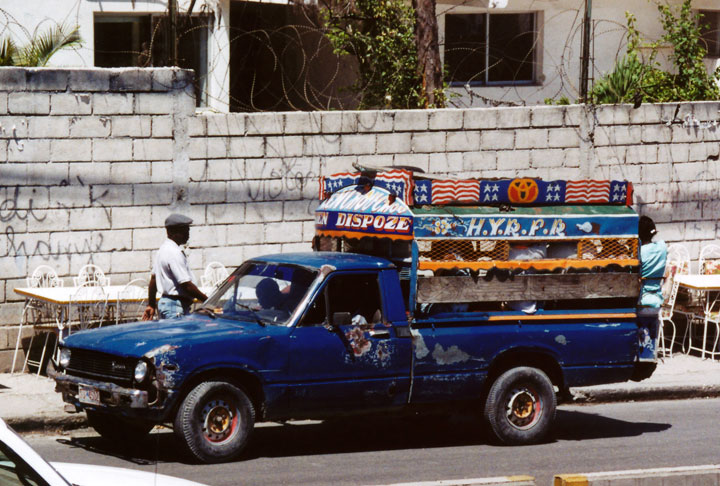
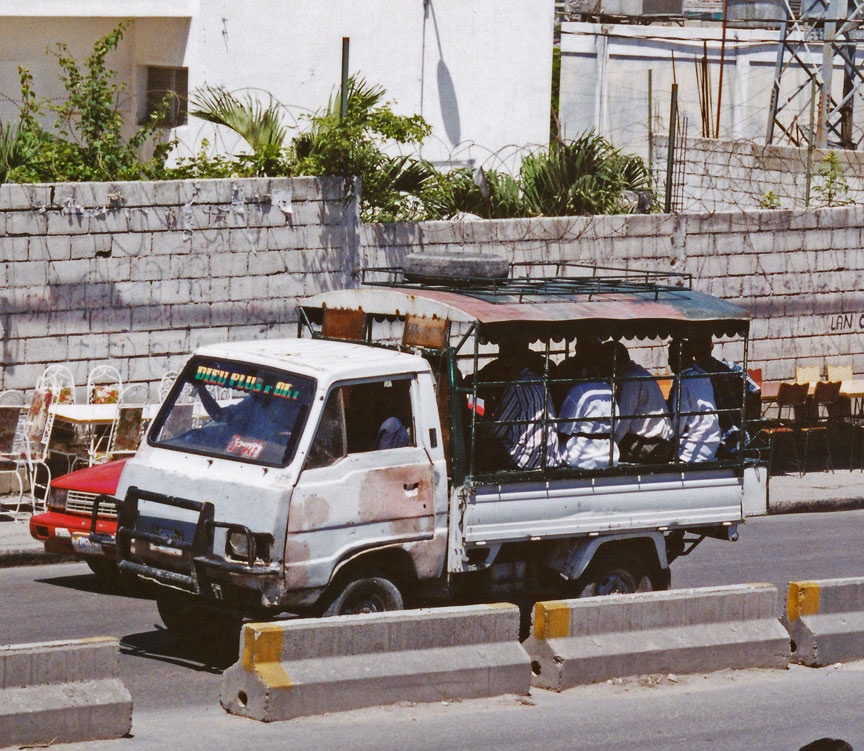
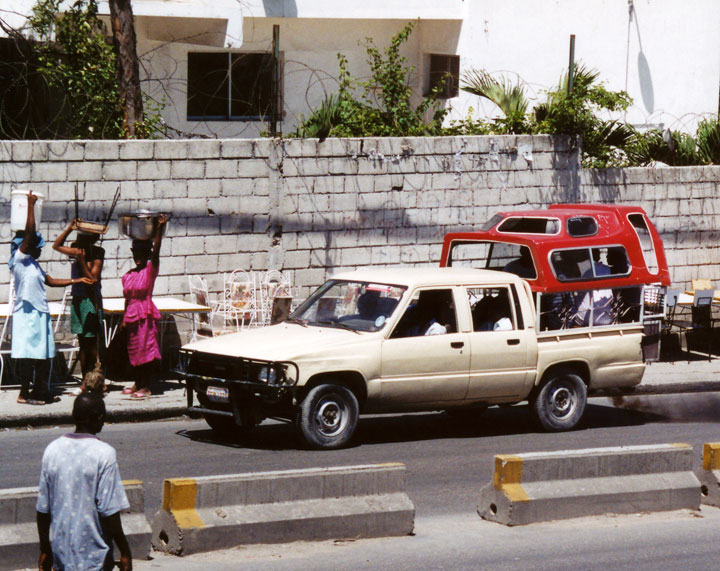
tap-tap is the most common means of transport
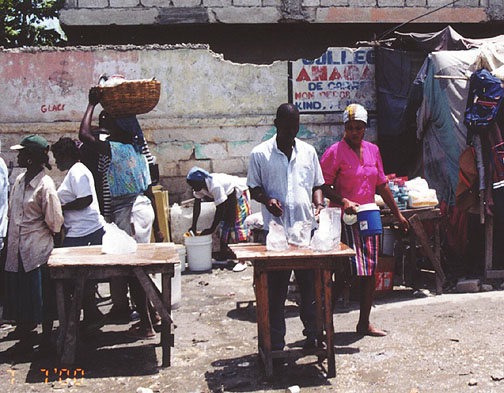
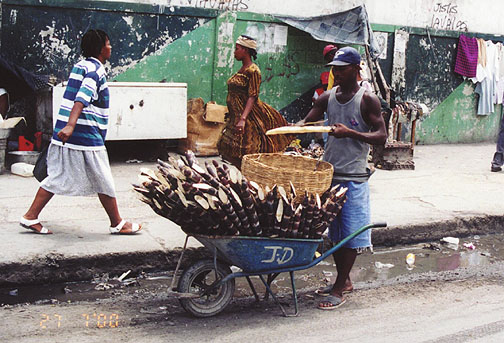
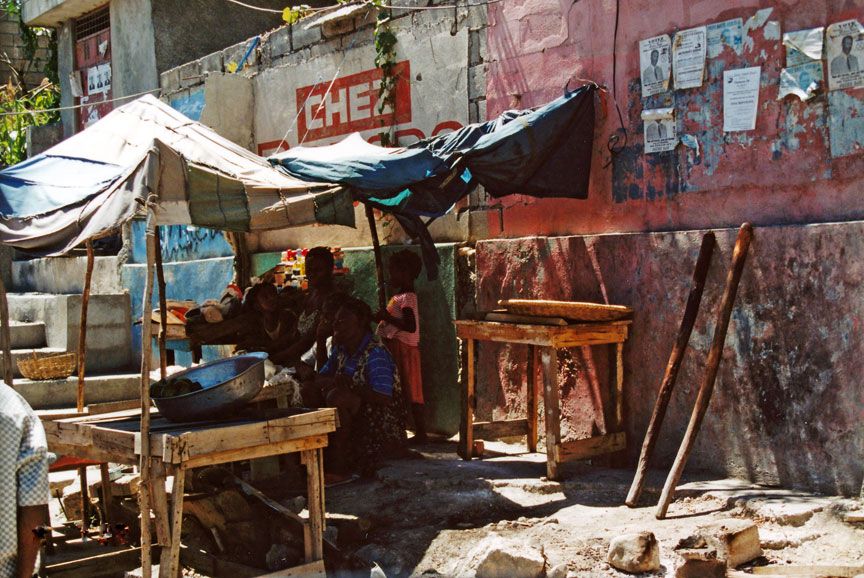
business on the streets includes selling icecece
and cane for eating
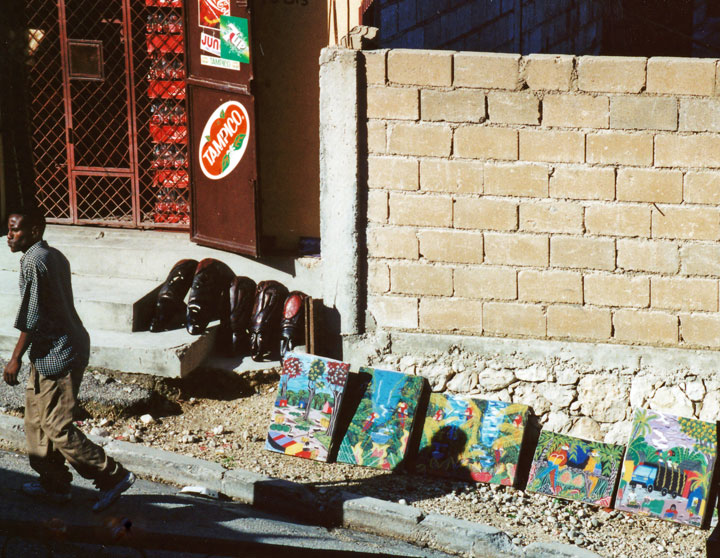
Haitian Art
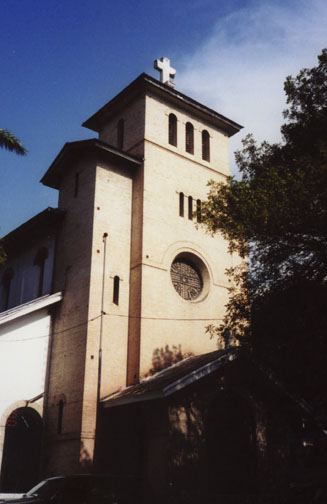
Church of England in Port au Prince
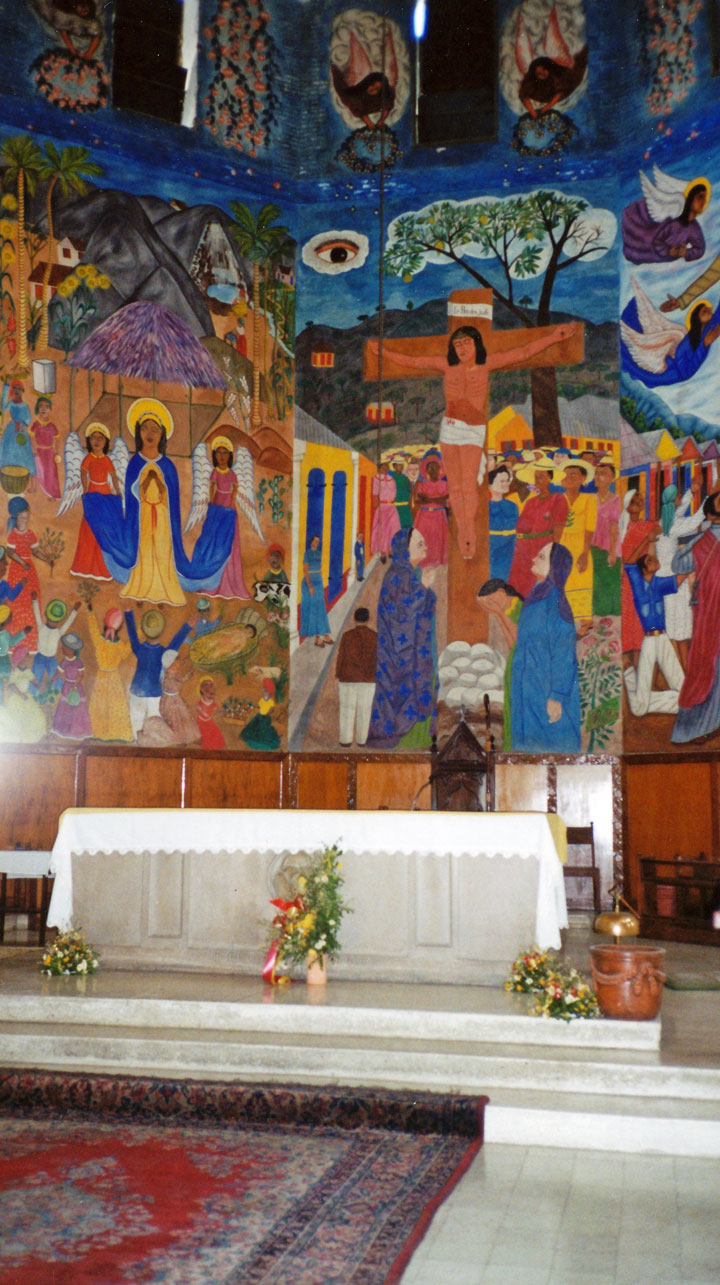
altar
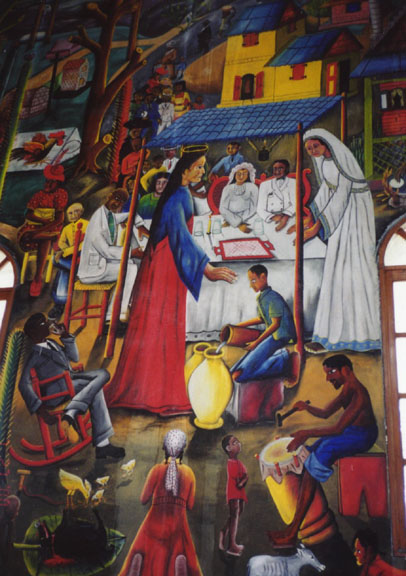
mural in
church showing marriage at Cana
(note the African scene)
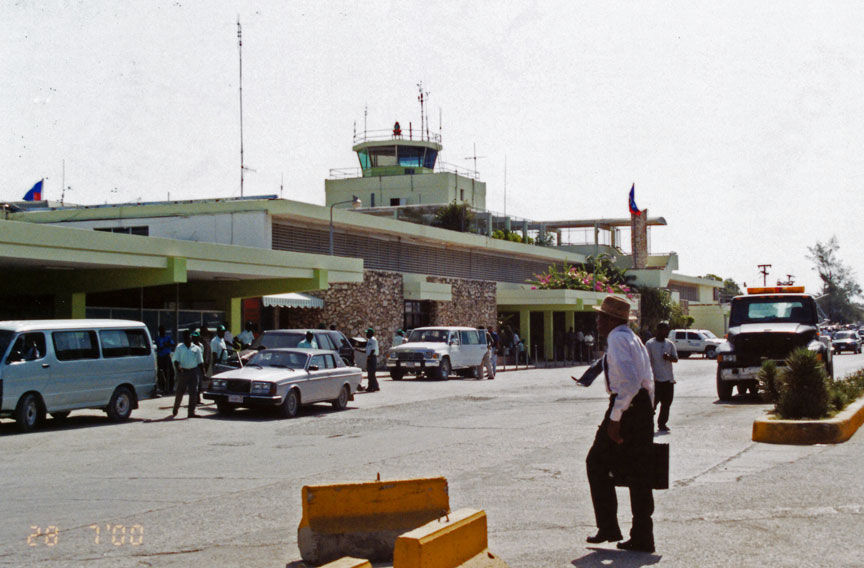
airport in July 2000
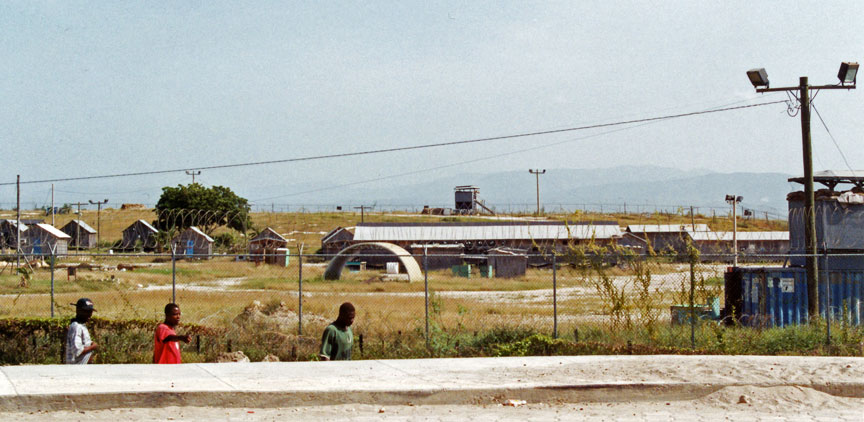
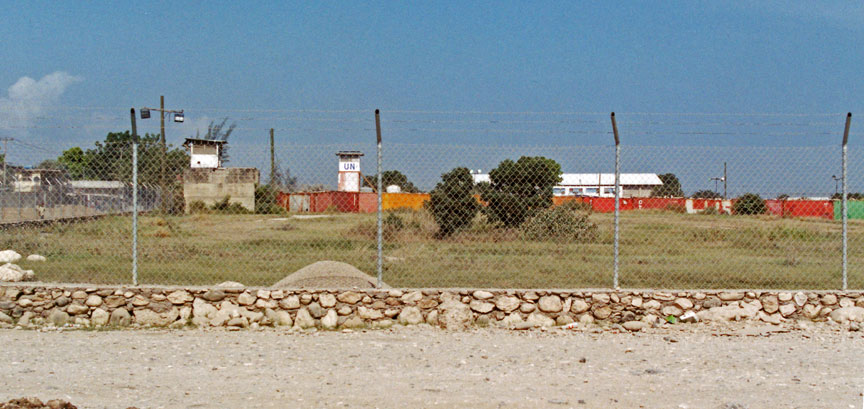
UN compound (2000)